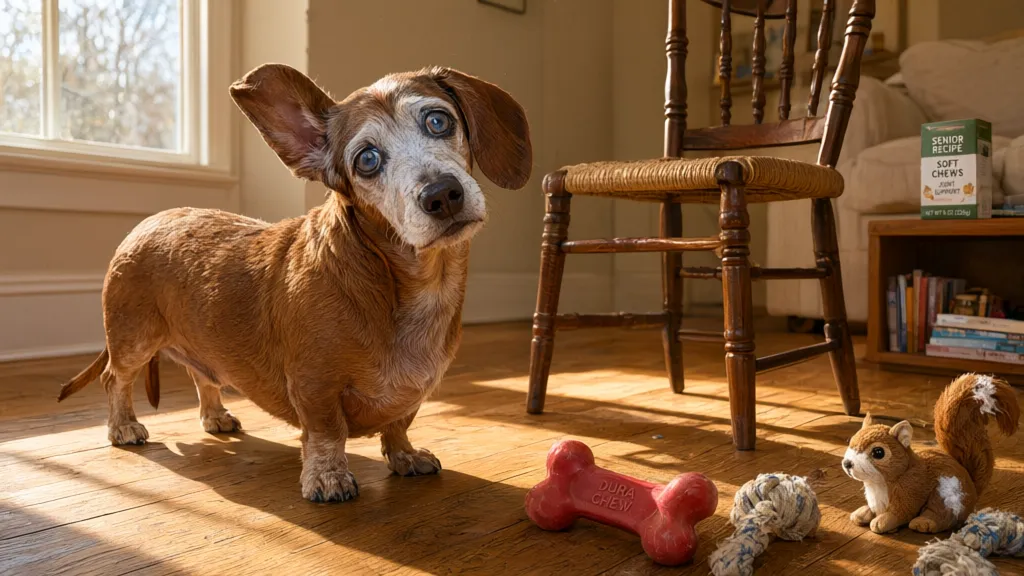
Canine Cognitive Dysfunction – Navigating Cognitive Decline in Dogs
Canine Cognitive Dysfunction (CCD) results from neurodegenerative changes in the brain, primarily affecting older dogs, similar to human Alzheimer’s disease. This condition is characterized by the accumulation of beta-amyloid plaques and neurofibrillary tangles, leading to...
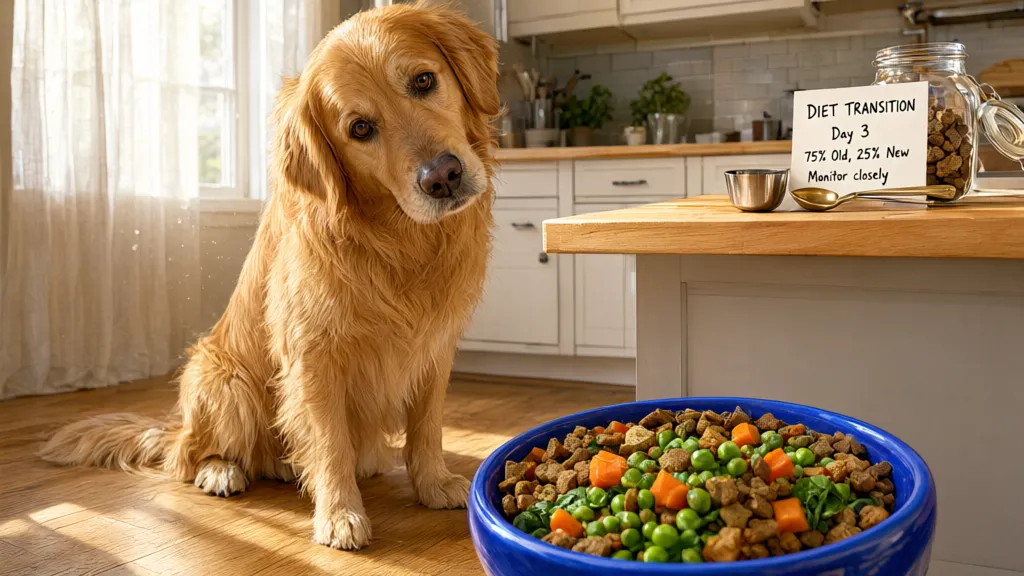
How to Transition Your Dog to a New Diet Safely
The selection of an appropriate diet for canines must account for breed-specific dietary needs, age-related nutritional requirements, and existing health conditions. The genetic predispositions of certain breeds influence their metabolism and dietary tolerances; for instance,...

The Joys of Dog-Friendly Sailing Adventures
When selecting a boat suitable for canine companionship, understanding the physical and behavioral characteristics of your dog is paramount. Size is a fundamental factor; larger breeds may require more space to maneuver comfortably, as claustrophobia...
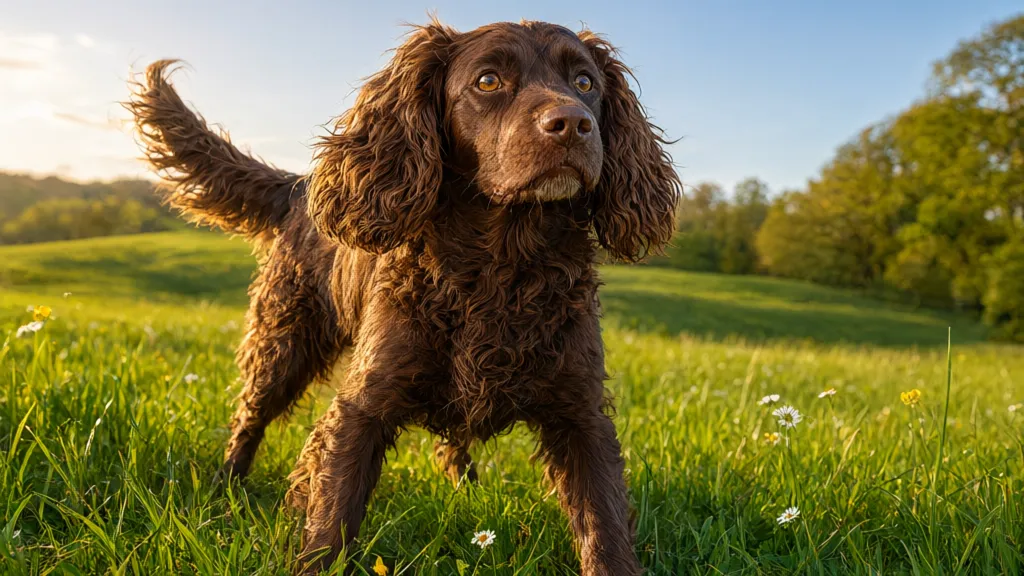
Boykin Spaniel
The Boykin Spaniel’s lineage traces back to South Carolina in the early 20th century, developed primarily for hunting purposes. The breed emerged when a small, medium-coated dog was identified for its ability to retrieve waterfowl...
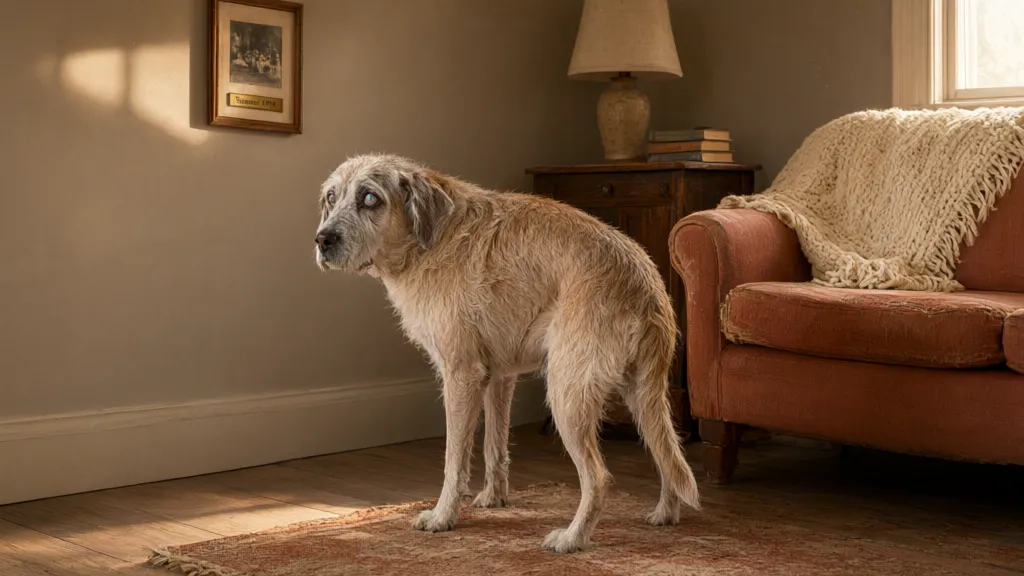
Understanding Canine Cognitive Dysfunction in Older Dogs
Canine cognitive dysfunction (CCD) arises from neurodegenerative changes akin to Alzheimer’s disease in humans, primarily affecting older dogs. Pathologically, this involves the accumulation of beta-amyloid plaques, neurofibrillary tangles, and oxidative stress that impair neural communication....
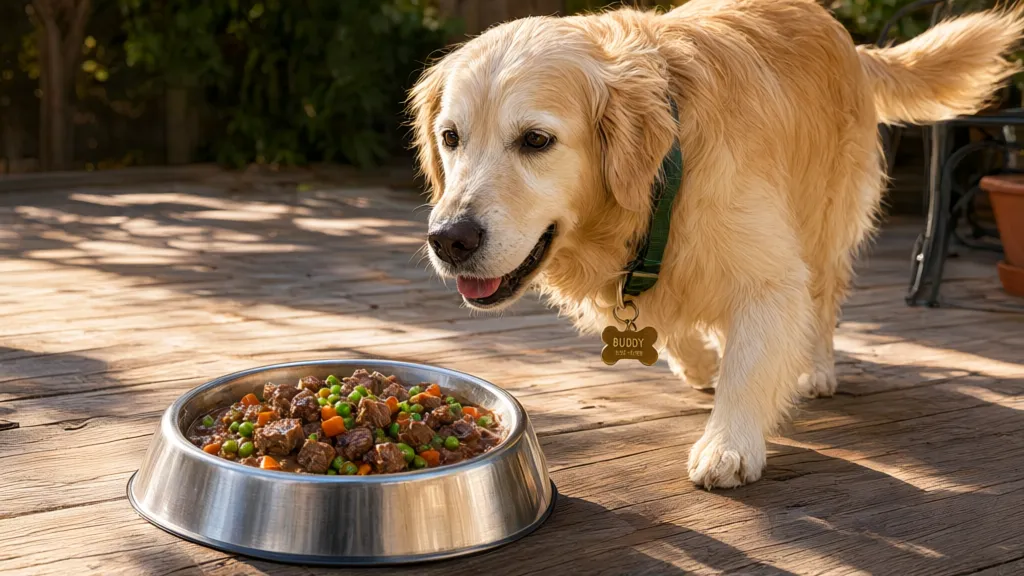
Exploring the World of Dog Food Toppers
Dog food toppers fall into four primary categories: wet toppers, dry toppers, freeze-dried toppers, and fresh food toppers. Each type provides distinct benefits and can influence a dog’s dietary intake and overall health. Wet toppers...
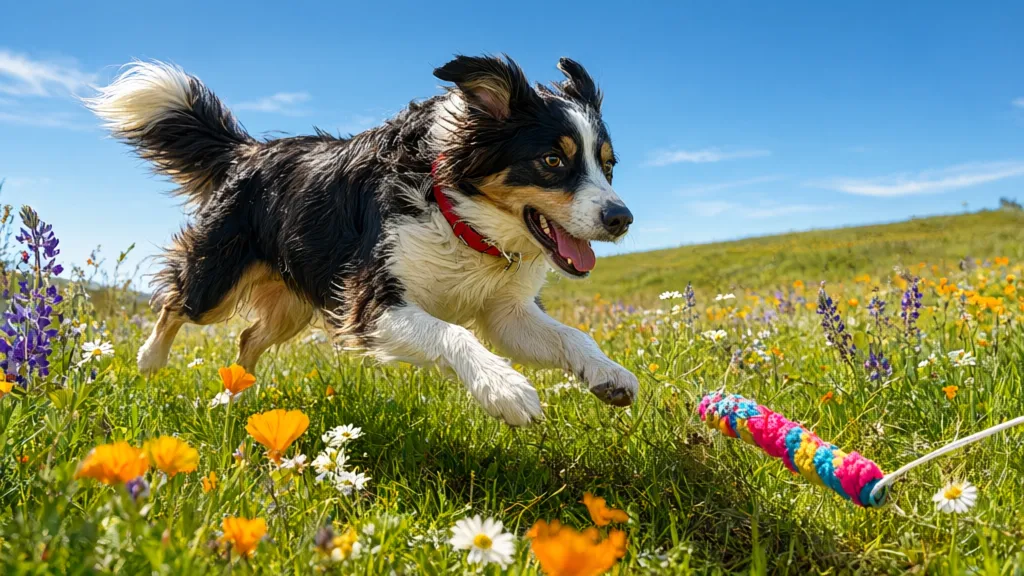
Bonding Activities – Strengthening Your Connection with Your Dog
Understanding canine behavior is essential for fostering a strong connection between you and your dog. At its core, behavior is governed by both genetic predispositions and environmental influences. Each breed exhibits unique behavioral traits shaped...
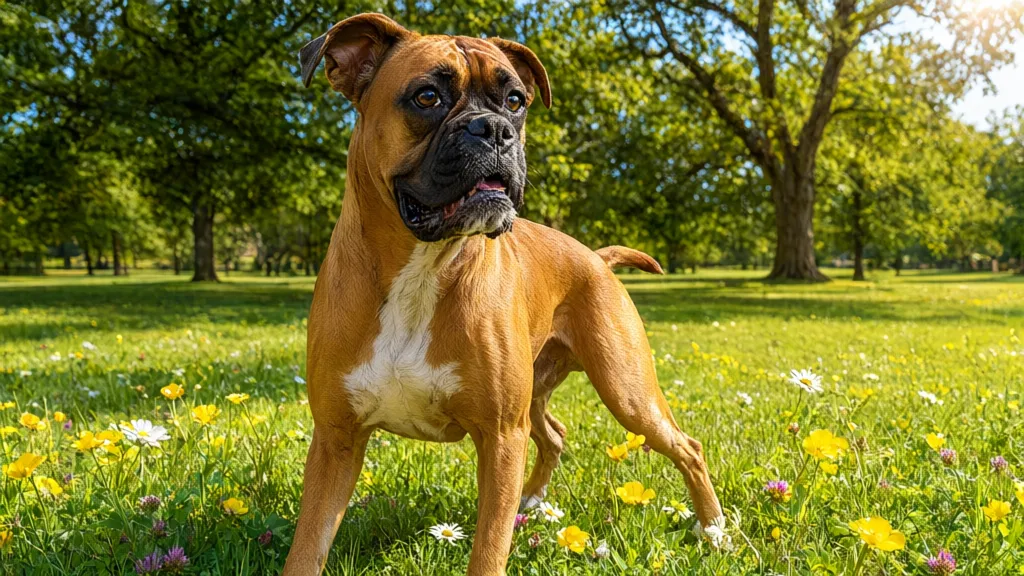
Boxer
The Boxer breed originated in Germany during the late 19th century, evolving from the Bullenbeisser, a bulldog-type dog used for hunting large game. The Bullenbeisser was crossed with the English Bulldog to produce a more...
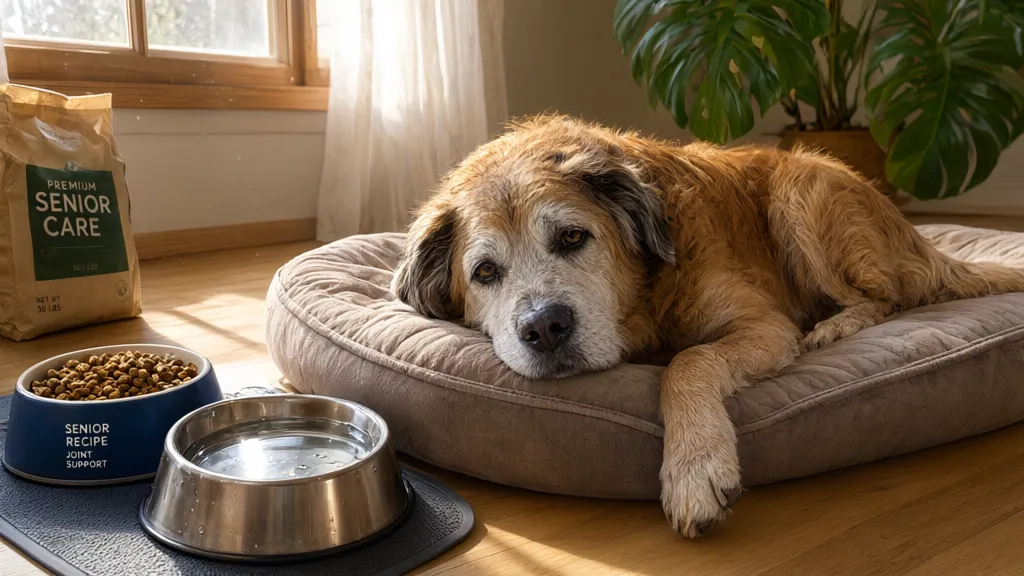
Senior Dog Care – Tips for a Happy and Healthy Old Age
As dogs age, their metabolic rate declines, necessitating a reevaluation of their caloric intake. Senior dogs typically require fewer calories, which helps prevent obesity—a common issue that can exacerbate joint problems and diabetes. Caloric content...